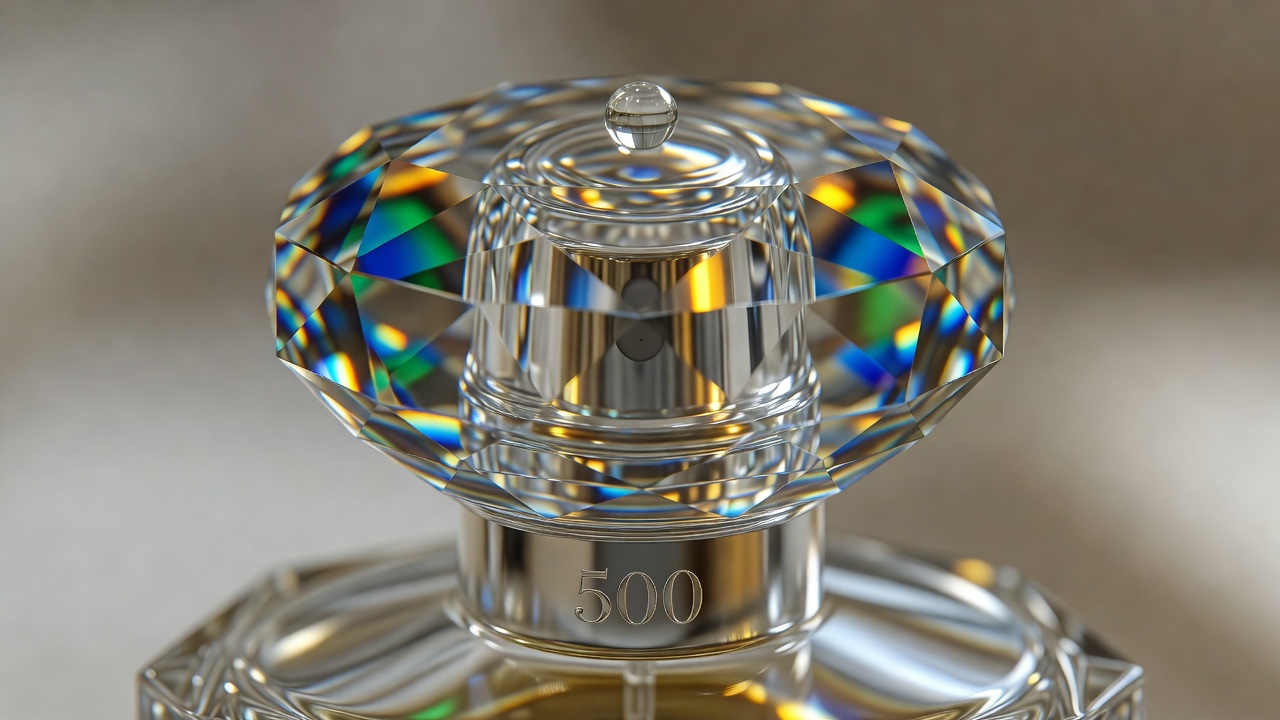
Entering the world of luxury perfumery is akin to learning a new language. Terms like sillage, projection, dry-down, and various French concentrations dominate the discourse. To curate a fragrance wardrobe effectively, one must understand not only what these terms mean, but how they interact with individual skin chemistry and environmental factors.
The Hierarchy of Concentration
The most fundamental technical distinction between fragrances is their concentration—the ratio of pure perfume oil to the carrier solvent (typically denatured alcohol and distilled water). This percentage dictates longevity, price, and how the fragrance behaves structurally.
| Classification | Oil Concentration | Average Longevity |
|---|---|---|
| Eau de Cologne (EDC) | 2% – 4% | 2 – 3 Hours |
| Eau de Toilette (EDT) | 5% – 15% | 4 – 6 Hours |
| Eau de Parfum (EDP) | 15% – 20% | 6 – 8 Hours |
| Extrait de Parfum | 20% – 40% | 8 – 12+ Hours |
It is a common misconception that an Eau de Parfum is simply a stronger version of an Eau de Toilette. In luxury perfumery, houses frequently alter the actual formula between concentrations. An EDT might emphasize volatile top notes like bergamot and pink pepper for a brighter, more expansive opening, while the EDP variant of the same name might heavily dose base notes like patchouli and amber for a richer, closer skin scent.
Sillage Versus Projection
These two terms are frequently confused, yet measuring a fragrance's performance requires distinguishing between them.
- Projection: How far the scent radiates off your body while you are standing completely still. High projection means someone across a dinner table can smell you.
- Sillage: (Pronounced see-yazh) The scent trail left behind you as you walk through a space. A fragrance can have low projection but high sillage, lingering in an elevator long after you have departed.
The Lifecycle of a Fragrance
Luxury perfumes are structurally complex, designed as a pyramid of notes that evaporate at different rates due to their molecular weight.
Top Notes: The immediate impression. Composed of the lightest molecules—typically citrus fruits, light herbs, and marine notes. These dissipate within the first 15 to 30 minutes. Evaluating a luxury perfume solely by its top notes on a paper blotter in a department store leads to misguided purchases.
Heart Notes: The core identity of the fragrance. Floral, spicy, and green notes emerge once the top notes burn off. These last for several hours and dictate the scent's classification (e.g., a floral chypre or a spicy amber).
Base Notes: The foundation. Woods, musks, resins, and vanilla. These heavy, complex molecules anchor the fragrance to the skin, slowing down the evaporation of the lighter notes above them. The "dry-down" phase is entirely dominated by base notes.
Application and Storage
Application technique alters performance. Spraying on "pulse points" (wrists, neck, inner elbows) utilizes body heat to project the fragrance outward. However, rubbing the wrists together creates friction and heat, potentially destroying the delicate molecular structure of the top notes. Instead, one should spray and allow the fluid to air dry.
Proper storage is equally critical. Heat, light, and humidity degrade perfume oils rapidly. Despite their aesthetic appeal on a bathroom counter or a sunny vanity, perfumes belong in a cool, dark environment—ideally inside their original boxes in a temperature-controlled space—to prevent the oils from turning rancid or losing their olfactory integrity.