For decades, Western luxury perfumery has been dominated by the alcohol-based spray atomizer. The rapid, expansive burst of denatured alcohol lifts aromatic compounds into the air, creating the massive sillage desired by the modern consumer. Yet, a quiet revolution is occurring. Discerning enthusiasts are rediscovering the ancient art of pure fragrance oils—a medium that offers a radically different, deeply personal olfactory experience.
The Heritage of Attars
To understand fragrance oils is to acknowledge their historical origins in the Middle East and South Asia. Traditional botanical oils, known as attars or ittars, are derived from natural botanical sources through hydro-distillation. The vapor containing the aromatic essence is condensed into a receiving vessel containing a base of sandalwood oil, which acts as a fixative and slowly absorbs the floral or woody notes over weeks.
Unlike alcohol, which evaporates rapidly to project the scent outward, an oil base sinks into the skin. This fundamental chemical difference means that fragrance oils behave like an aura rather than a cloud. They remain intimate, detectable only to those granted close physical proximity.
Skin Chemistry and Evolution
Alcohol-based perfumes often smell relatively uniform on a paper blotter and initial skin contact. Fragrance oils, devoid of the aggressive lift of alcohol, require body heat to activate. As a result, they merge much more profoundly with individual skin chemistry, natural oils, and body temperature.
Because there is no volatile solvent accelerating the evaporation process, the "dry-down" of a fragrance oil is prolonged. Instead of a rapidly changing pyramid of top, heart, and base notes, oils offer a more linear, slowly evolving profile. A rose and oud oil will present both elements simultaneously for hours, slowly fading rather than sharply shifting character.
Application Methodologies
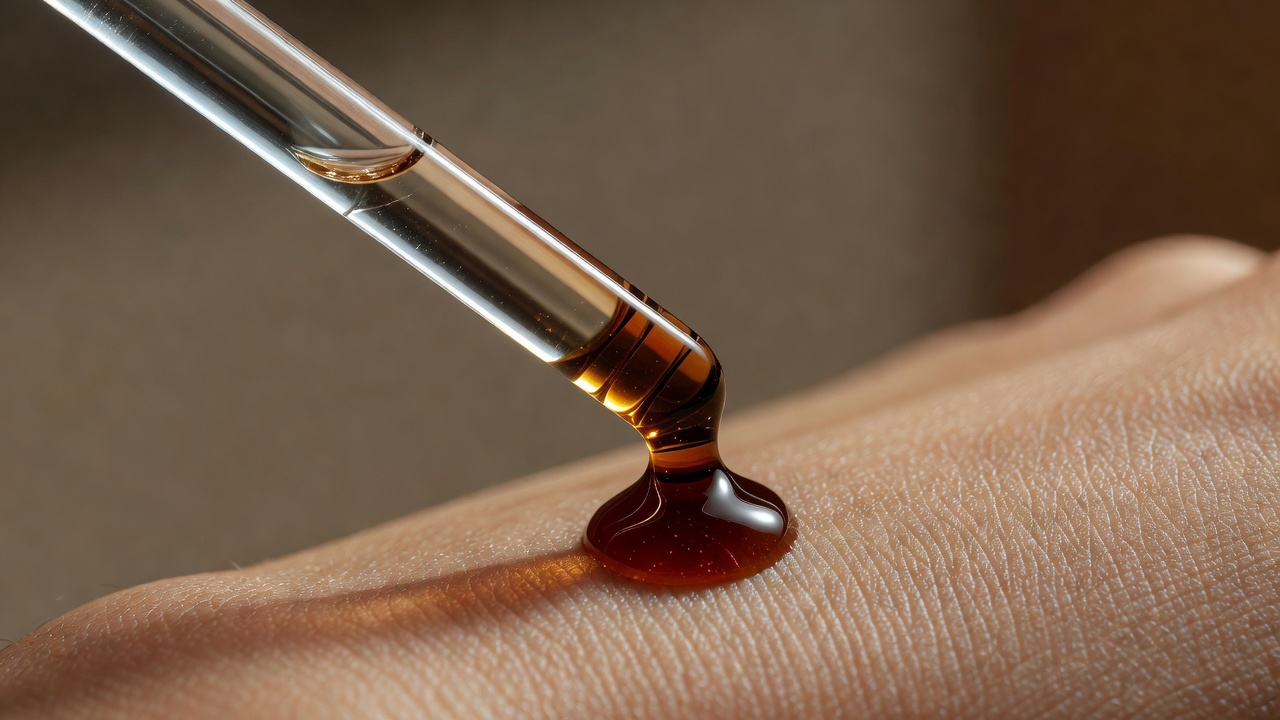
The ritual of applying fragrance oil differs drastically from spraying an EDP. Most luxury oils are dispensed via a glass wand (dabber) or a rollerball.
- Pulse Points: The base of the throat, the inner wrists, and behind the ears remain the primary application zones, leveraging the warmth of arterial blood flow.
- Hair and Beard: Natural oils are less drying than alcohol formulations, making them excellent for application to hair, which holds scent exceptionally well without causing damage.
- Fabric Warning: Caution must be exercised; pure oils can permanently stain delicate fabrics like silk and light cotton. Application must be directly to the skin, allowed to absorb fully before dressing.
The Modern Context
Modern luxury houses are now releasing concentrated oil versions of their signature scents. These are marketed not just to those avoiding alcohol for religious or skin-sensitivity reasons, but as ultimate layering tools. Applying a base of pure amber oil beneath a spray of an airy citrus Eau de Parfum creates a bespoke fragrance architecture, bridging ancient tradition with modern chemical engineering.